[SMM Analysis] When PV Meets ESS, the Power Grid's "Bottleneck" Finds a Solution

Published: Sep 30, 2025 14:41
Source: SMM
[SMM Analysis] Recently, the Global Solar Council (GSC) stated in a newly released position paper that the world is at a critical crossroads in the energy transition. The rapid development of solar and ESS was expected to accelerate the decarbonisation of energy systems, but in reality, aging grid infrastructure—unchanged for a century—and outdated market rules have become the biggest bottlenecks limiting the further growth of clean energy.

Recently, the Global Solar Council (GSC) stated in a newly released position paper that the world is at a critical crossroads in the energy transition. The rapid development of solar and ESS was expected to accelerate the decarbonisation of energy systems, but in reality, aging grid infrastructure—unchanged for a century—and outdated market rules have become the biggest bottlenecks limiting the further growth of clean energy.

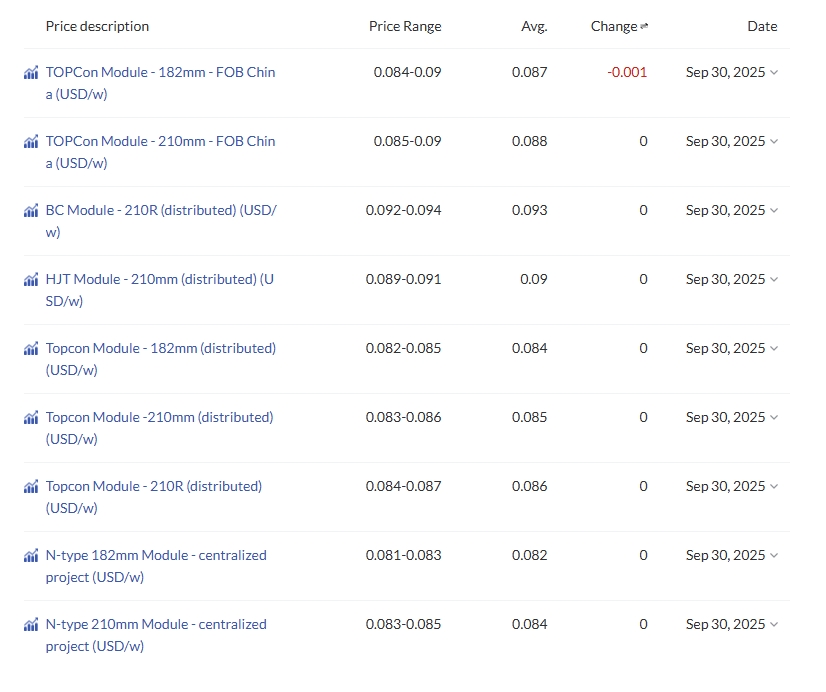
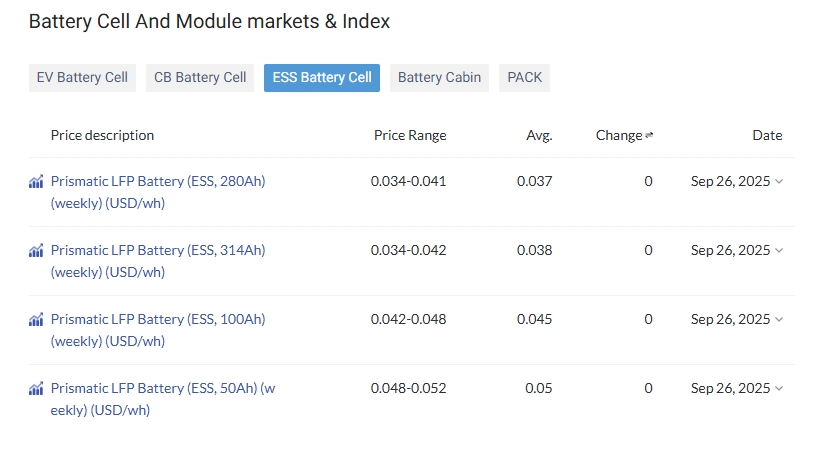
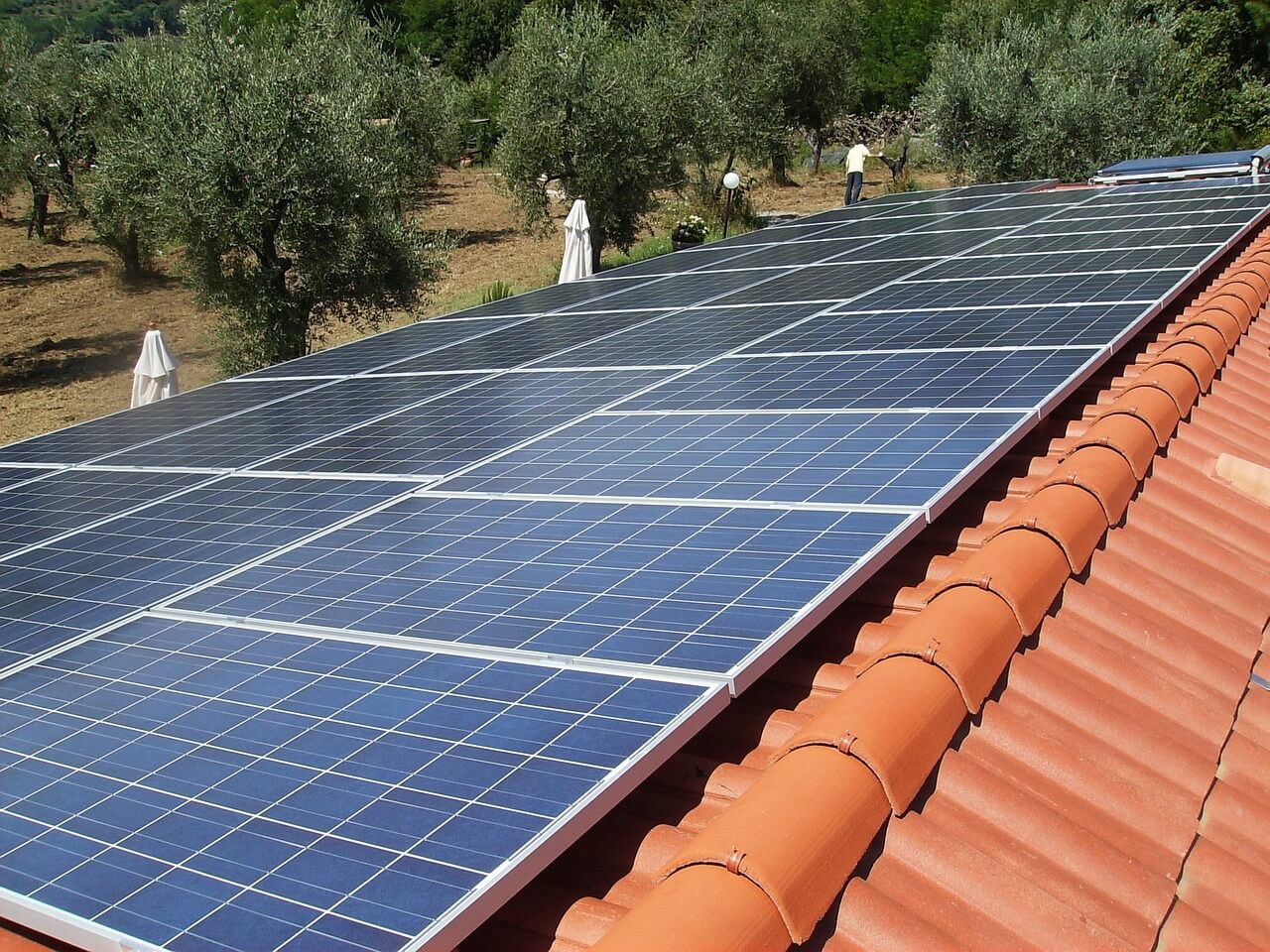
Over the past decade, the costs of PV and ESS have continued to hit bottom, making them the most competitive energy technologies.In the Chinese market, PV module prices have fallen to around 0.09 USD/W, while ESS battery prices have also gradually approached 0.04 USD/Wh.

SMM PV Module Price

SMM ESS Battery Price


However, technological maturity does not guarantee smooth implementation. In Europe, electricity prices during midday hours—when PV output is concentrated—have repeatedly dropped into negative territory, compressing investment returns. In Asia, grid congestion and curtailment of PV power generation have become commonplace, with many newly built power plants in markets such as Japan and Vietnam unable to connect to the power grid. At the same time, while the digitization and intelligentization of the power grid have brought higher efficiency, they have also introduced new risks—cybersecurity threats such as hacking and system vulnerabilities are posing fresh challenges to the stability of power systems.

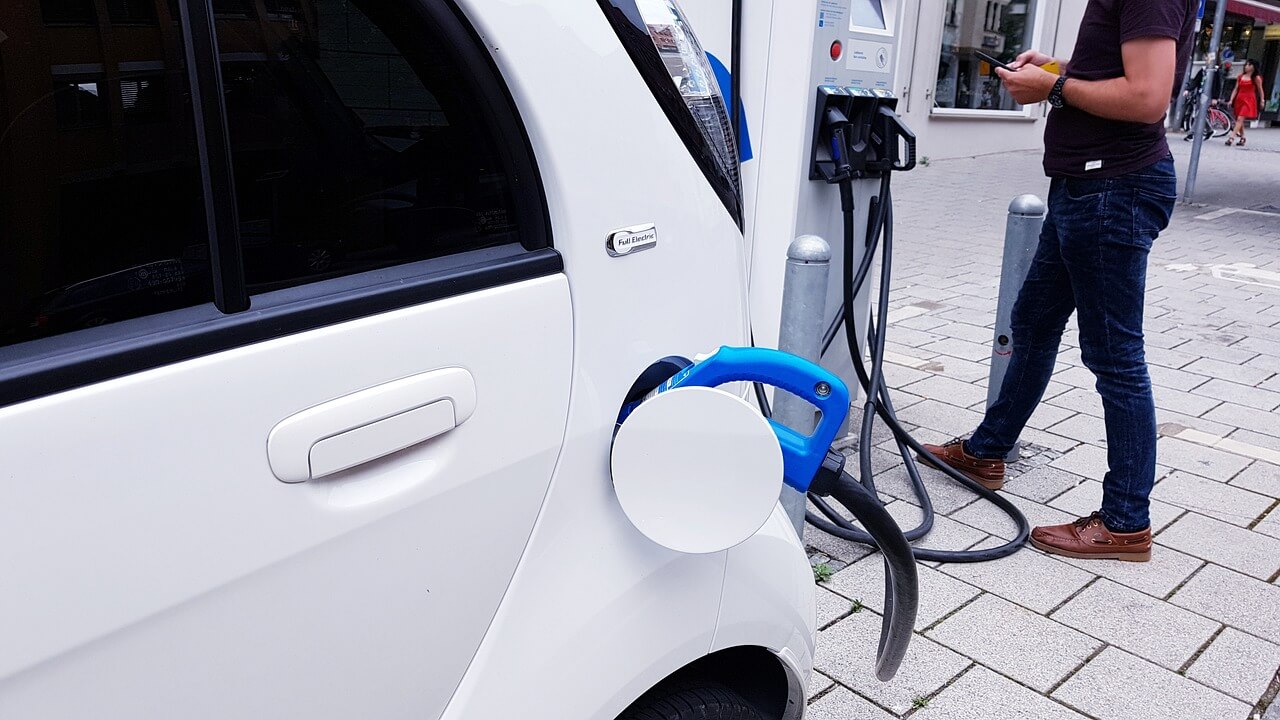
The GSC emphasized in the document that the combination of PV and ESS is increasingly demonstrating its role as a "game-changer." Short-duration batteries can shift excess midday electricity to evening peak hours, not only alleviating the notorious "duck curve" but also enhancing grid flexibility and reliability. Globally, multiple cases illustrate this trend. Sabah, Malaysia, is constructing a 400 MWh ESS project to strengthen its fragile grid; Uruguay has nearly achieved 100% renewable energy supply through cross-border interconnections and strategic investments; and in Nigeria, distributed PV+ESS systems are gradually replacing tens of millions of diesel generators, providing more economical and cleaner energy for residents and enterprises.

These cases are not merely demonstrations of technological application but also microcosms of changes in the energy landscape. As PV and ESS take center stage in global power systems, the traditional grid model—reliant on centralized power plants and top-down dispatch—is being redefined. The GSC specifically pointed out that future grids must become more decentralized, digitalized, and gradually evolve toward bottom-up energy flows. In this process, ESS is no longer a supplementary role but a key pillar for maintaining the stability of new-type power systems.

The document ultimately concludes that those who lead in promoting grid upgrades and market reforms will gain a competitive edge in the future energy landscape. This is not only about the installed capacity of clean energy but also concerns energy security, price stability, and the overall competitiveness of the industry chain. In other words, the energy transition is no longer just an environmental issue but a core variable for economic growth and social stability.

The GSC noted in the document: "The combination of solar and ESS is no longer a future vision but an inevitable choice in reality." As more countries begin setting ESS targets, advancing cross-border interconnections, and experimenting with new market designs, it is expected that a more flexible, stable, and clean power system will take shape. The real challenge lies in whether this process can proceed quickly enough to meet the world's increasingly urgent energy transition needs.

The source address is:Grid&Storage Position Paper

Data Source Statement: Except for publicly available information, all other data are processed by SMM based on publicly available information, market communication, and relying on SMM‘s internal database model. They are for reference only and do not constitute decision-making recommendations.

For any inquiries or to learn more information, please contact: lemonzhao@smm.cn
For more information on how to access our research reports, please contact:service.en@smm.cn
Related News
Beijing Launches 500-kV Power Project in Fengtai, Boosting Grid Resilience and Industrial Growth
1 hour ago
Beijing Launches 500-kV Power Project in Fengtai, Boosting Grid Resilience and Industrial Growth
Read More
Beijing Launches 500-kV Power Project in Fengtai, Boosting Grid Resilience and Industrial Growth
On January 28th, the construction of the 500-kilovolt power transmission and transformation project in Fengtai, Beijing officially started. This project is the first newly-built 500-kilovolt power grid project in Beijing during the 15th Five-Year Plan period. It will significantly enhance the resilience and power receiving capacity of the southern Beijing power grid and provide reliable power support for Beijing to continuously optimize the investment structure and vigorously develop high-end, precise, and cutting-edge industries. The 500-kilovolt power transmission and transformation project in Fengtai, Beijing is a key project of Beijing's power grid during the 15th Five-Year Plan period and one of the "3 100" key projects in Beijing this year. It is constructed and managed by the State
1 hour ago
Shaanxi-Anhui UHV DC Project's 500-kV AC System at Hezhou Station Begins Operation After Trial Run
1 hour ago
Shaanxi-Anhui UHV DC Project's 500-kV AC System at Hezhou Station Begins Operation After Trial Run
Read More
Shaanxi-Anhui UHV DC Project's 500-kV AC System at Hezhou Station Begins Operation After Trial Run
On February 1st, the 500-kilovolt AC system of the Hezhou Converter Station, the receiving-end station of the ±800-kilovolt UHV DC power transmission project from northern Shaanxi to Anhui, was officially put into operation after a 24-hour trial run.
1 hour ago
750-kV Power Line Connecting Northern to Central Shaanxi Fully Operational
1 hour ago
750-kV Power Line Connecting Northern to Central Shaanxi Fully Operational
Read More
750-kV Power Line Connecting Northern to Central Shaanxi Fully Operational
On February 2nd, the 750-kilovolt power transmission and transformation project of the third passageway from northern Shaanxi to central Shaanxi was fully connected. The project starts from the 750-kilovolt Shuofang Substation in Shenmu City in the north and ends at the 750-kilovolt Bailuyuan Substation in Lantian County in the south. It has newly built a 1,271-kilometer line, passing through 18 counties (districts) in 4 cities including Yulin, Yan'an, Weinan and Xi'an.
1 hour ago